
Gardening with Carrie: Fertilizer Numbers.. What do they mean?
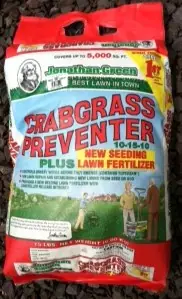
So you head to the Home Center looking for a bag of fertilizer for your lawn, and you notice that they have a ton of them, all of which say they are the BEST for YOUR lawn! So how do you pick the right one? Here’s how…
First the numbers are the percentage (by weight) of the three major ingredients used in plant growth. N-P-K, I know, flashback to High School Chemistry class, yuck! The N stands for Nitrogen, the P is for Phosphorous, and the K is for Potassium (sometimes called Potash.) They are in alphabetical order, so it is easy to remember them.
Nitrogen helps the plants ability to produce chlorophyll, another flash back to High School, this time Biology class. This basically means it helps the plant produce lush, green leaves. If your plant/lawn is deficient in nitrogen, it is usually yellowish, and doesn’t grow well. If you want your already established lawn to be really green, you want this number to be high. But don’t be surprised when you may have to cut your lawn more frequently.
Phosphorous concentrates on root growth and is also referred to as a ‘bloom booster.’ It increases the plant, fruit or seed’s abililty to bloom large flowers and extend their roots. If you have a newly seeded lawn or planted tree you would want to use a product with a high percentage of Phosphorous. It will help the lawn and/or tree to become more quickly rooted into it’s new home. Plants that are deficient in Phosphorous sometimes tend to be purplish and are almost non-growing.
Potassium is the real workhorse, it strengthens the plants stems and wall structures, helps the plant threw changing weather conditions, it protects the plant against diseases, and aids in photosynthesis. A plant deficient in Potassium may have really weak stems and also would be slow growing. A product high in this number is great to be used when insects and diseases attack your “stressed” lawns/plants, like at the start of summer or winter.
If this all really confuses you, a great little tip that a Jonathan Green salesmen once told me was, “Look at the numbers like this, Up, Down and All Around.” If you want the plant to grow UP, pick a high first number, if you want the plant to concentrate on it’s roots (Down) & get established pick a high middle number, and if you want a great all around (doing both up and down) pick a fertilizer bag with a high third number.
I hope this helps you maneuver around the fertilizer aisle more quickly! If you still are uncertain of what path to follow, your local Cooperative Extension Office can test your soil at no charge (or for a small free.) But if you follow these guidelines and match your lawns needs to these numbers your garden should top Martha’s in a heartbeat!
About the author: Carrie Longacre is a Mommy to a very active toddler, Hannah, and wife to her Landscaper husband, Marc. Carrie has been gardening ever since she could walk and has a degree in Horticultural Business from Penn State University.
Tagged With: Gardening, Gardening with Chesco Mom Carrie Longacre, Spring 2011
Originally published by Sarah Freymoyer and the Philly Burb Moms team on May 26, 2011.